This guide is written by Ann, FKY's Sales Director & B2B Belt Project Consultant, for product teams sourcing custom belt programs. It offers a buyer framework, not legal, compliance or test advice; verify product-specific requirements with the appropriate professionals and evidence.
01.
The quick answer: choose the route that matches your starting point
Choose OEM when your team wants to adapt an existing belt platform with its own logo, colour, buckle direction or packaging. Choose ODM when the project requires a new product direction, private mould work or deeper structural development. Both routes can produce a branded belt, but they begin with different levels of product definition and require different approval decisions.
For most projects, OEM is faster and more cost-effective because the underlying product platform already exists. ODM usually involves more development work, a higher starting quantity and more decisions before production. The right choice is not the route with the more impressive label; it is the route that solves the brief without adding unnecessary development risk.
- OEM: adapt an existing platform for a defined brand brief
- ODM: develop a more original product direction around a project brief
- Use samples, written specifications and approval records in either route
02.
What OEM means for a custom belt project
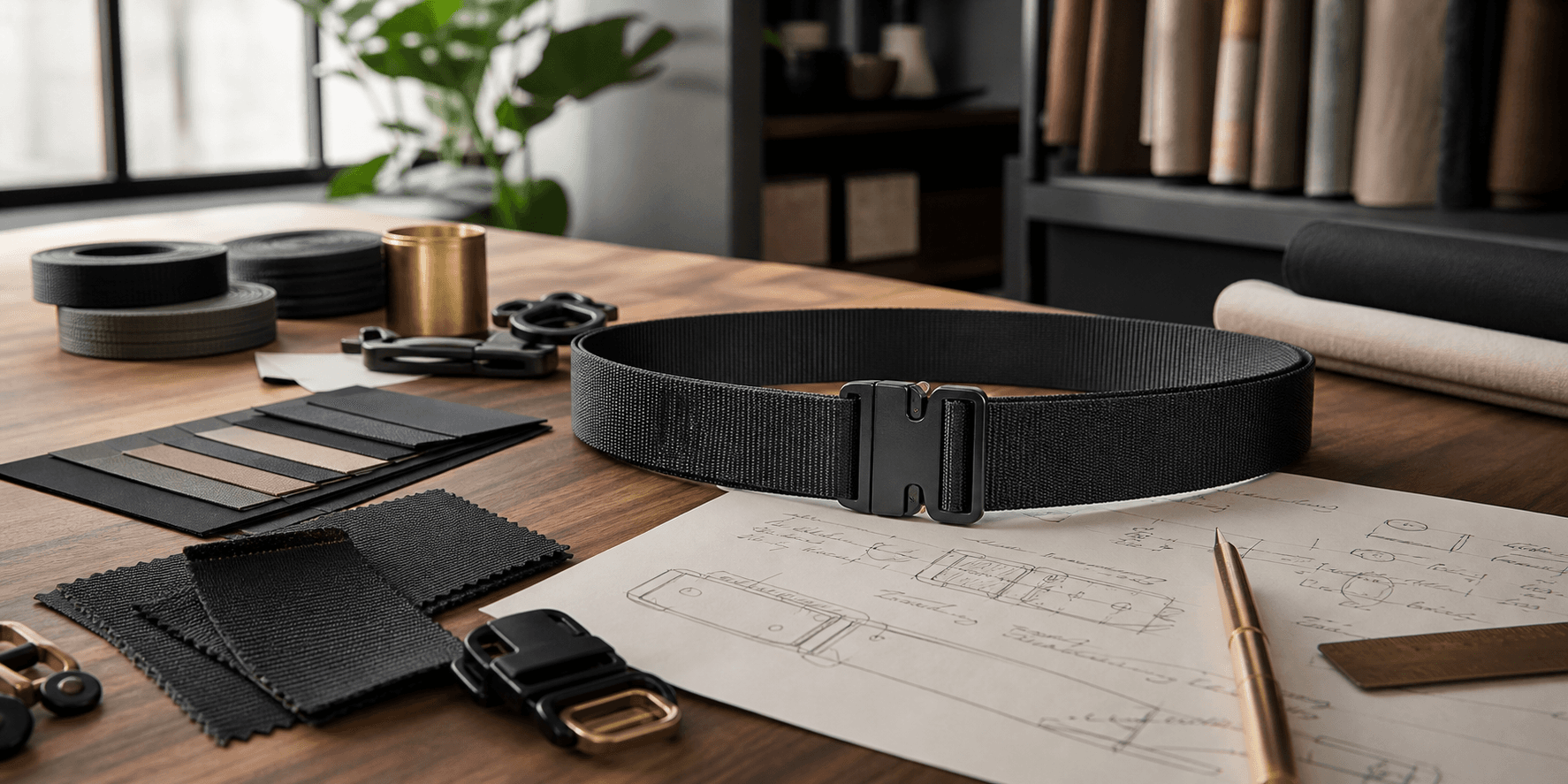
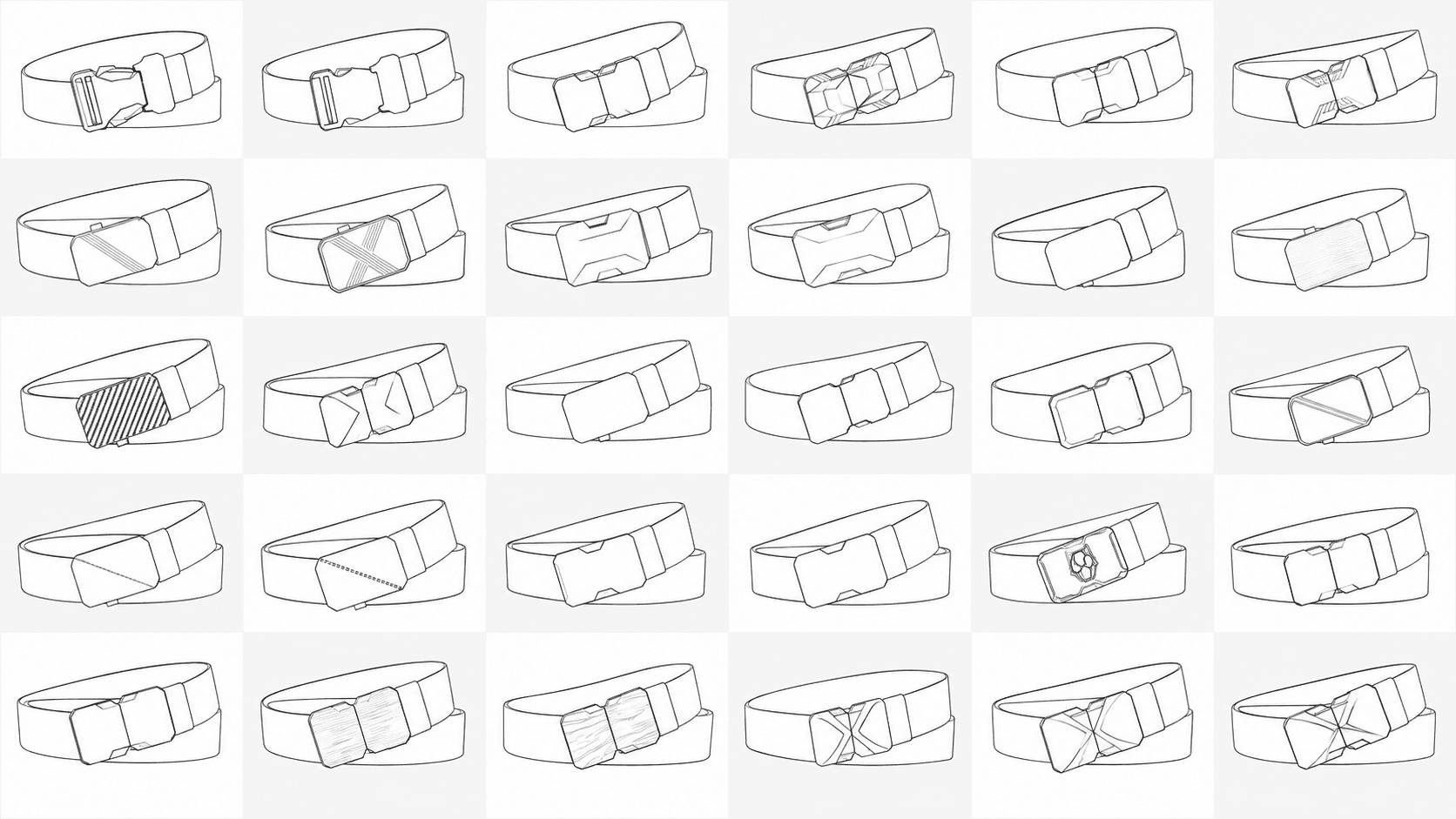
An OEM project starts with an existing product or construction direction. The buyer selects a suitable model and defines the customer-facing details that need to change. These may include strap construction, buckle finish, colour, logo treatment, labels and packaging. Because the base platform is already available, the team can spend more time confirming brand fit and less time creating a new mechanism from the beginning.
FKY generally treats OEM as the faster, more cost-effective route. A typical OEM MOQ is 100–500 pieces, but the final quantity depends on the selected model, materials, custom process and packaging requirements. The quotation and approved sample—not a general range—should be treated as the project-specific reference.
03.
What ODM means for a custom belt project
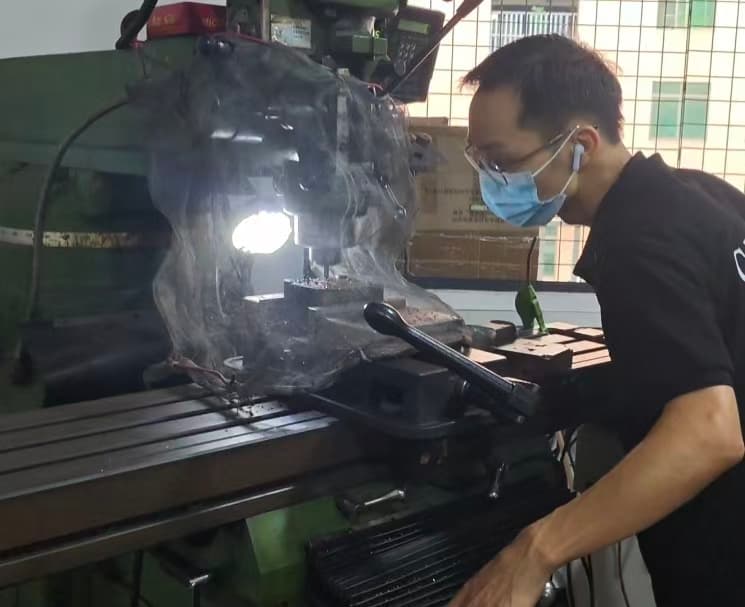
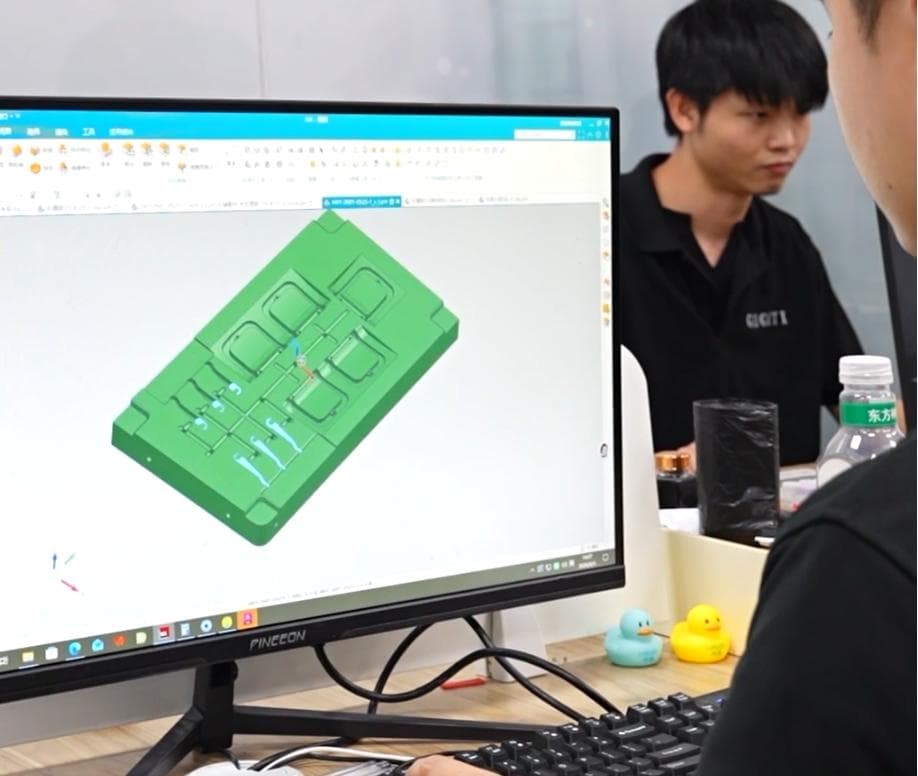
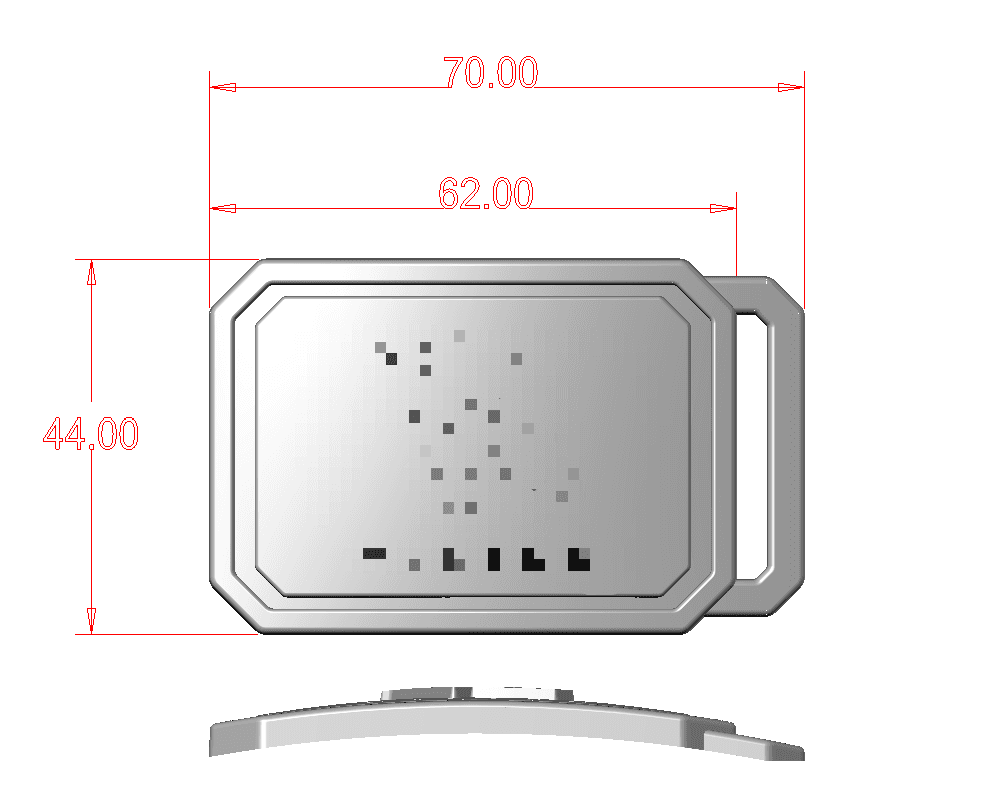
An ODM project begins with a product idea that needs more design and engineering input. The brief may call for a new buckle appearance, a private mould, a different adjustment concept or a coordinated product-and-packaging direction. The work normally moves through design discussion, quotation, mould or construction review, sampling and written approval before bulk production.
A typical ODM MOQ is 300–1,000 pieces. The range varies with the product, tooling, materials, finish and packaging. For every ODM project, FKY can cooperate when the customer needs to pursue patent registration in its local market by providing agreed project information within FKY's control. Patent strategy, filing, legal review and registration outcomes remain the customer's responsibility with its local professional advisers; cooperation is not a promise that a registration will be granted.
04.
Compare OEM and ODM before requesting a quote
Use the comparison below as a planning guide. It describes the usual direction, not a universal commercial promise. The final route should be confirmed after the supplier has reviewed the chosen product, custom work, target quantity and destination-market requirements.
- Starting point — OEM: an existing product platform; ODM: a new or substantially developed concept
- Timing and value — OEM is generally faster and more cost-effective; ODM requires additional development and approval stages
- Typical MOQ — OEM: 100–500 pieces; ODM: 300–1,000 pieces, both subject to the final specification
- Buyer input — OEM: model, branding and packaging decisions; ODM: a design brief, functional direction and more detailed development decisions
- Intellectual property — ODM patent-registration support can be coordinated, while legal advice and filing outcomes stay outside the manufacturing scope
05.
Choose OEM when speed and a proven starting point matter
OEM is usually the practical route for a first collection, a private-label programme or a buyer who has a clear visual brief but does not need a new belt mechanism. It can also make range planning easier because the team can compare existing strap, buckle and finishing directions before selecting the combination to sample.
Choose OEM when the existing platform meets the intended use, the primary differentiation comes from branding or presentation, and the project benefits from a lower typical MOQ. Do not choose it simply to shorten development if the platform cannot satisfy a must-have functional or design requirement.
06.
Choose ODM when the product concept needs development
ODM is appropriate when the brand wants a more distinctive product architecture and is prepared to make the extra decisions that come with it. The brief should explain what must be original, what user problem the concept is meant to solve, which details are fixed and which details can be refined with the development team.
Before approving ODM work, confirm the drawing or design direction, sample scope, revision process, mould or development charges, intended quantity and intellectual-property responsibilities. These decisions make the programme easier to quote and reduce ambiguity when the project moves from concept to sample.
07.
Prepare the same core information for either route
A useful first inquiry identifies the target product, intended user, destination market, quantity range and desired decision date. Add reference images and describe the strap, buckle, colour, logo and packaging direction. Mark each item as fixed, preferred or open to recommendation so the response can focus on the decisions that still need work.
If you are unsure which route fits, send the brief without choosing a label. FKY can compare it with available platforms and identify where new development may be necessary. The quotation and sample plan should then state whether the work will proceed as OEM, ODM or a staged combination of both.
FAQ
Buyer questions, answered.
What is the main difference between OEM and ODM custom belts?
OEM adapts an existing belt platform, while ODM develops a more original product direction that may include new design, mould or construction work.
Is OEM faster and more cost-effective than ODM?
Generally, yes. OEM starts from an existing platform, so it normally requires fewer development stages. The actual quotation and schedule still depend on the selected product and custom requirements.
What is the typical MOQ for OEM and ODM belts?
A typical OEM range is 100–500 pieces, while a typical ODM range is 300–1,000 pieces. Final MOQ varies by model, material, process and packaging.
Can FKY support patent registration for an ODM project?
Yes. FKY can cooperate with agreed project information within its control when a customer pursues local-market patent registration. The customer and its local professional advisers remain responsible for filing, legal review and outcomes.
What should I send if I am not sure whether I need OEM or ODM?
Send the intended use, reference images, target market, quantity range, branding needs and the details that must be original. FKY can review the brief and discuss the suitable route.
PRODUCT LINKS
Continue with a relevant product or development page.
Ready to source?